
Raising Grateful and Appreciative Children: A Practical Guide for Parents
Most parents want to raise children who are grateful, appreciative, and considerate of others. Yet if you’re reading this, you’ve probably discovered that gratitude doesn’t always come naturally—especially for kids. The good news is that gratitude can be taught, modeled, and strengthened over time. Here’s how to nurture it in meaningful, age-appropriate ways.
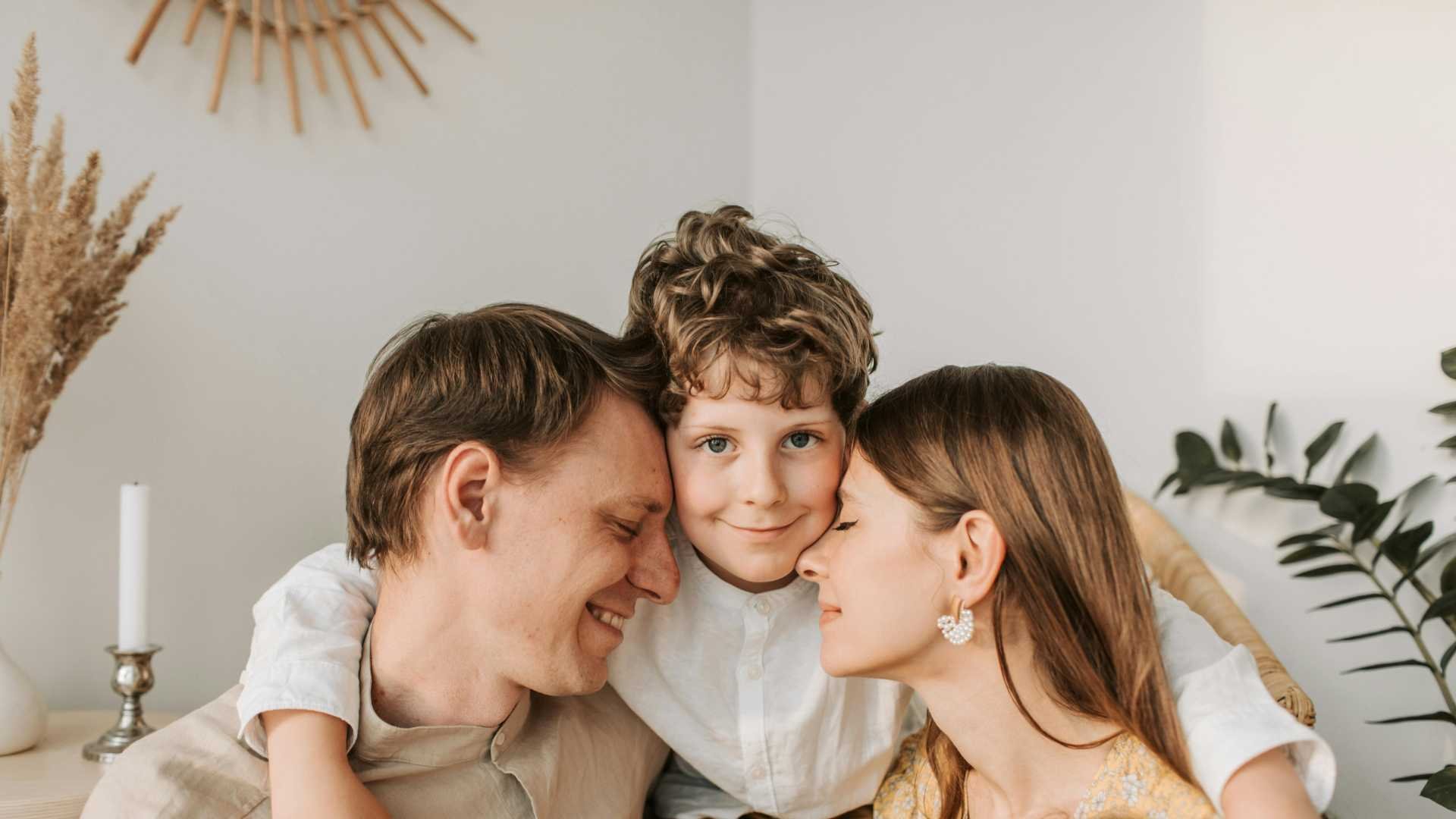
Thinking of gratitude as a learned skill helps us feel more possitive as parents
Understanding “Energy Exchange”
A simple but powerful way to explain gratitude to children is through the idea of energy exchange.
When someone does something for you—makes dinner, helps with homework, buys a gift—they give you a bit of their energy. When you thank them or show appreciation, you give some of that energy back. If a child keeps taking without giving back, others may feel drained or unappreciated.
This isn’t about guilt—it’s about helping children understand that relationships feel best when energy flows both ways.
Gratitude Is a Learned Skill
Gratitude isn’t automatic; it’s a skill that grows through modeling, practice, and repetition. Small daily routines can make a big difference.
Easy Ways to Build the Skill
1. Bedtime Reflections
Share three things you were grateful for that day and invite your child to do the same. This helps them notice small positives and finish the day on a warm, reflective note.
2. A Secular Grace at Mealtimes
Go around the table and let each family member name something they’re thankful for before eating. Let everyone take turns leading.
3. Write Thank-You Notes
Handwritten or hand-drawn notes help children connect gratitude to a concrete expression. Even a simple “Thank you for thinking of me” teaches generosity of spirit.
Focus on Empathy, Not Shame
Children respond far better to empathy than to comparisons like “others have it worse.” Instead, prompt them to consider how their actions make others feel.
Try asking:
“How do you think Grandma felt when you helped her?”
“How do you imagine your friend felt when you shared your game?”
“How will your auntie feel when she receives your thank-you card?”
These questions grow emotional awareness—an essential foundation for gratitude.
Praise the Quality, Not Just the Action
Specific praise helps children see themselves as capable of kindness and appreciation.
Examples:
“You showed great kindness when you thanked your coach.”
“I noticed you appreciated your friend today.”
This reinforces a positive identity: I am someone who is thoughtful.

Creative a daily gratitude practice helps us feel closer and more abundant
Encourage Acts of Service
Acts of service teach children that small efforts can have a big impact on others. Ideas include:
Making someone a drink
Helping without being asked
Offering a shoulder rub or massage
Tidying a shared space
Bringing in groceries
When children practice caring actions, appreciation becomes a natural extension.
Grow a Spirit of Generosity
Here are ways to help children experience the joy of giving:
Money for Gifts
Give them a small budget for buying birthday or christmas presents. Let them choose thoughtfully and wrap the gift themselves.
Charity of the Month
Invite children to research a charity and present what they learn. Choose one to support together as a family.
Litter Picking
A simple way to contribute to the community and talk about shared responsibility.
Volunteering
Community gardens, animal shelters, and local events often welcome children with supervision.
Family WWOOFing
Volunteering on farms (WWOOFing) can be a memorable way to learn cooperation, gratitude for food, and appreciation for hard work.
Use Stories and Media to Build Awareness
Movies and documentaries can open children’s eyes to different ways of life and spark thoughtful conversations. Always check suitability for your child’s age.
Suggested titles:
Living on a Dollar a Day (2017)
Wonder (2015)
Wadjda (2012)
Queen of Katwe (2016)
Imba Means Sing (2015)
Kindness Is Contagious (2014)
Final Thoughts
Raising a grateful child isn’t about perfection or forced thank-yous. It’s about guiding them to notice kindness, understand effort, and express appreciation in ways that feel authentic. With consistent modeling, gentle conversations, and plenty of practice, gratitude becomes a natural part of your child’s character—and strengthens your family’s connections along the way.